We're building a movement to restore culinary nutrition literacy — equipping the next generation with the knowledge and skills to nourish themselves, their families, and their communities.
Without intervention, one in three American teenagers will develop type 2 diabetes in their lifetime. Pre-diabetes — elevated blood sugar that hasn't yet crossed into clinical diabetes — is becoming the default metabolic state for young Americans.
Struggle with obesity, putting them at risk for chronic disease.
Diagnosed with pre-diabetes or type 2 diabetes today.
Come from ultra-processed sources lacking real nutritional value.
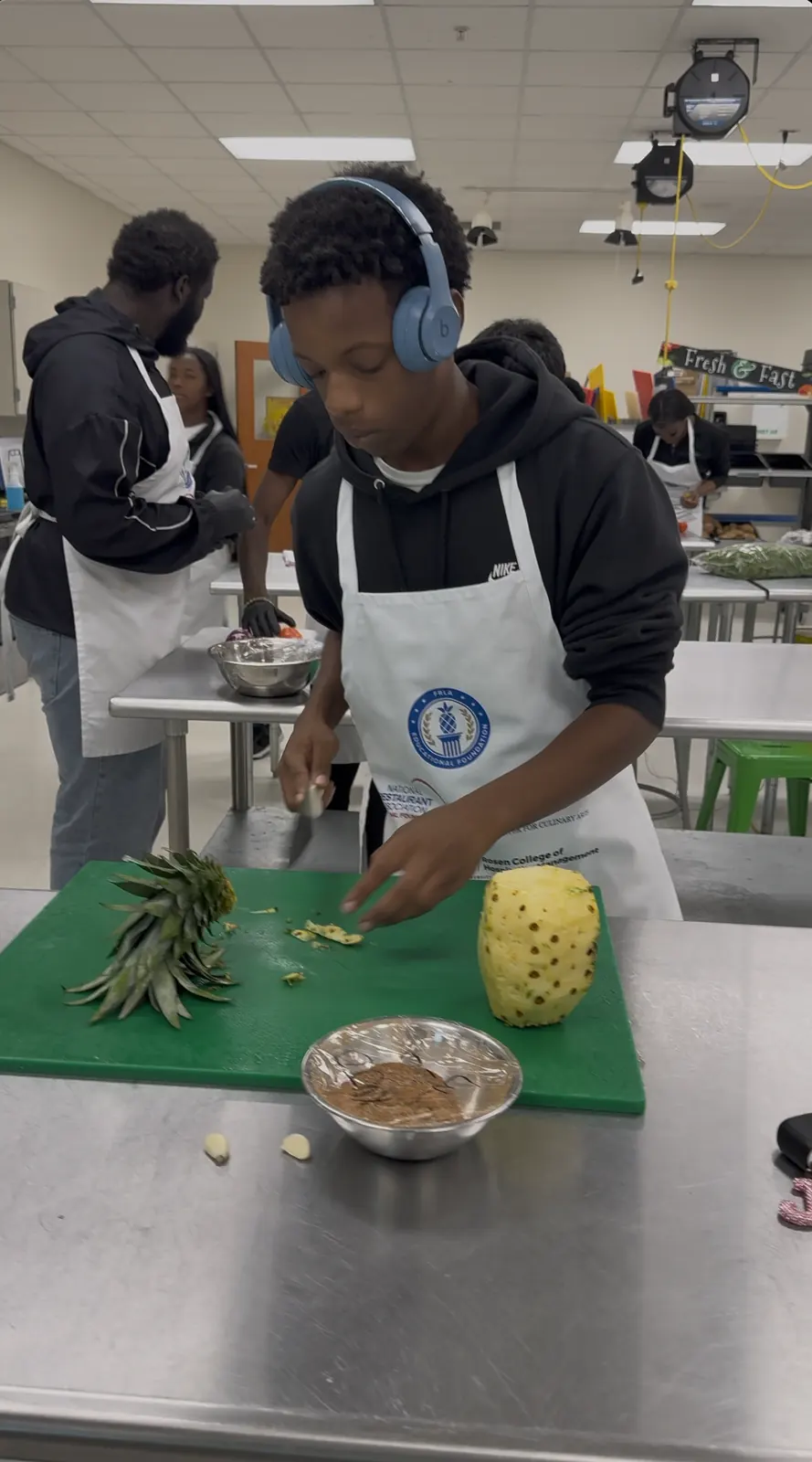
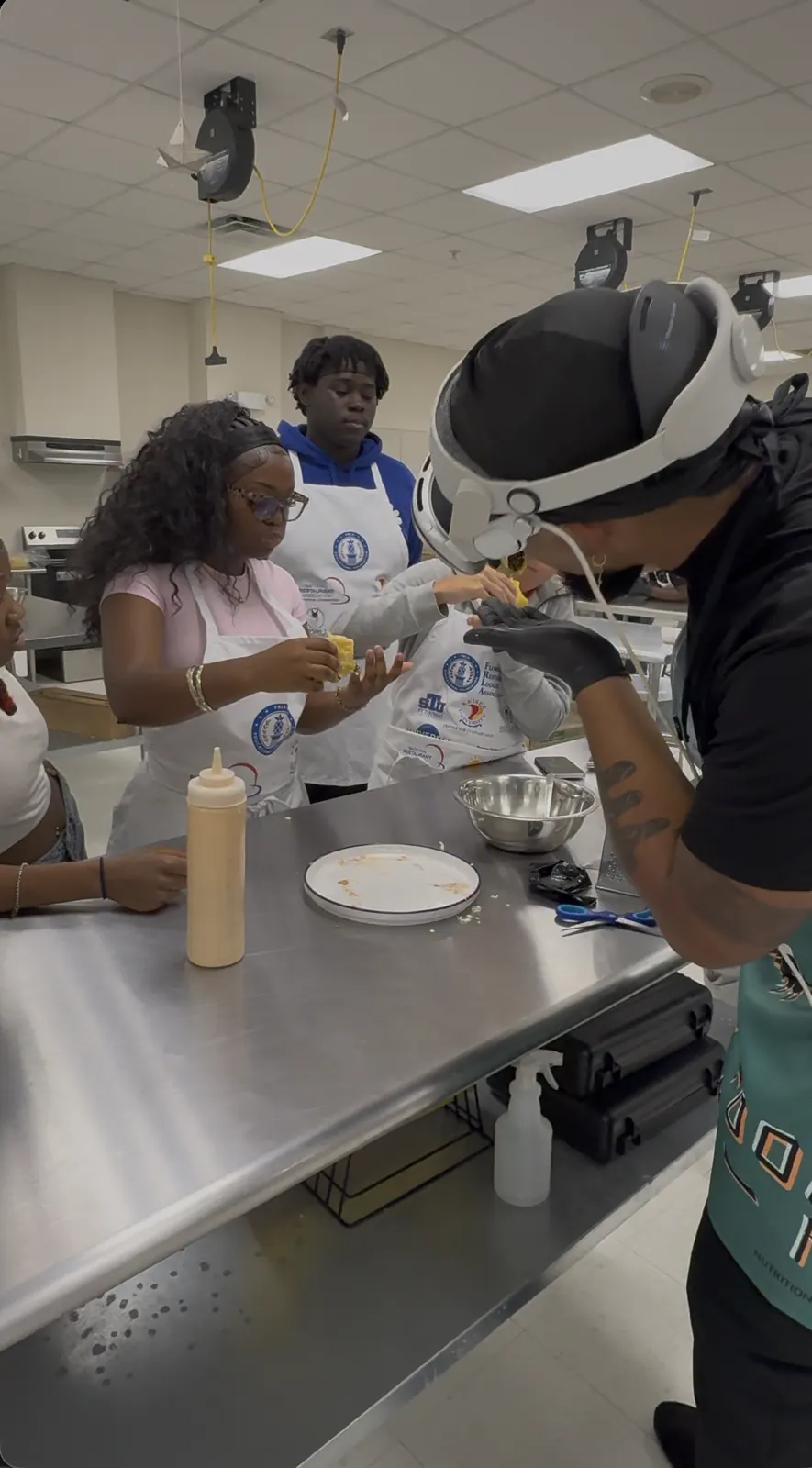
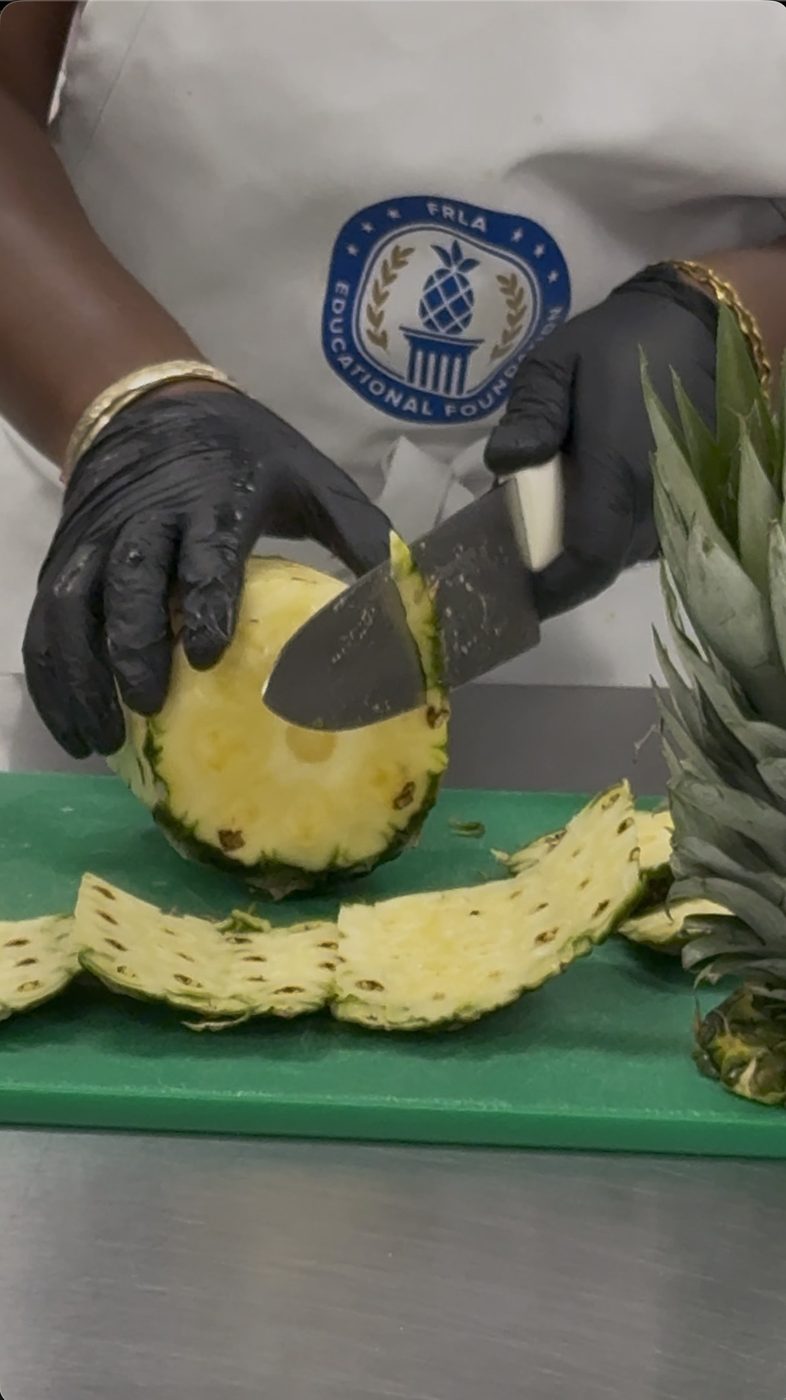
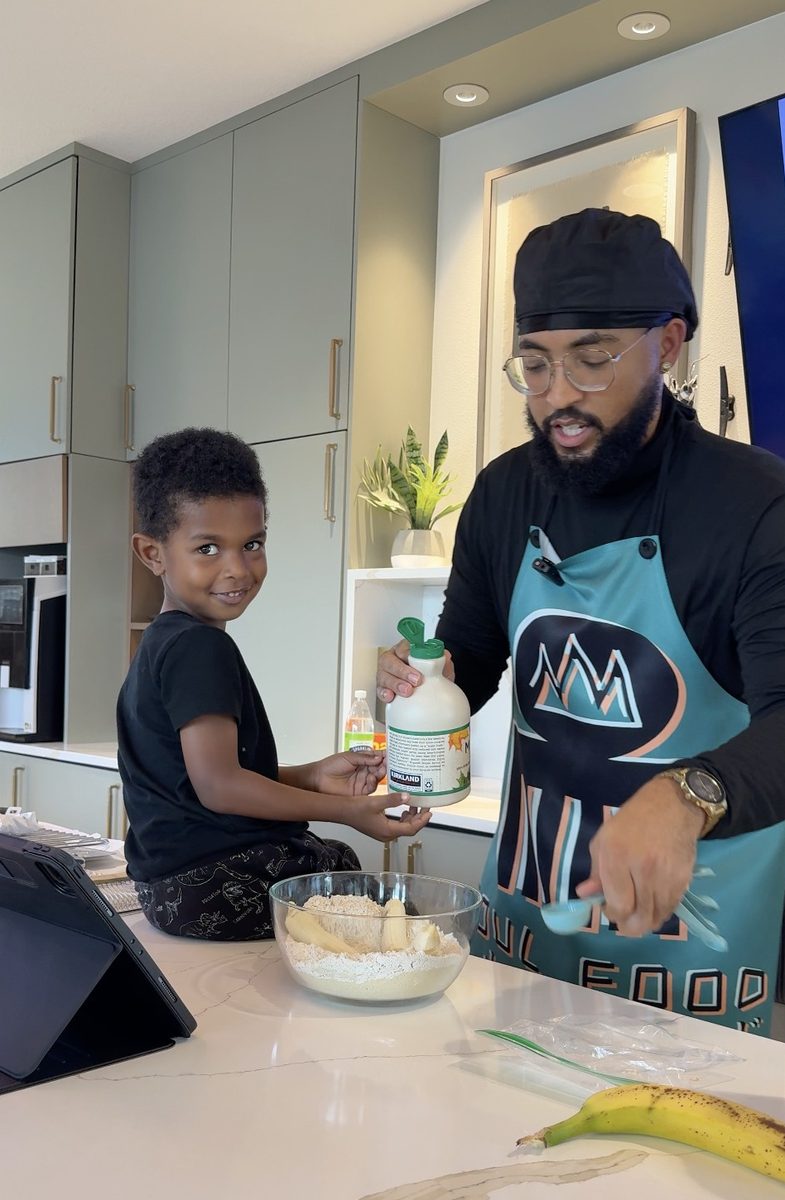
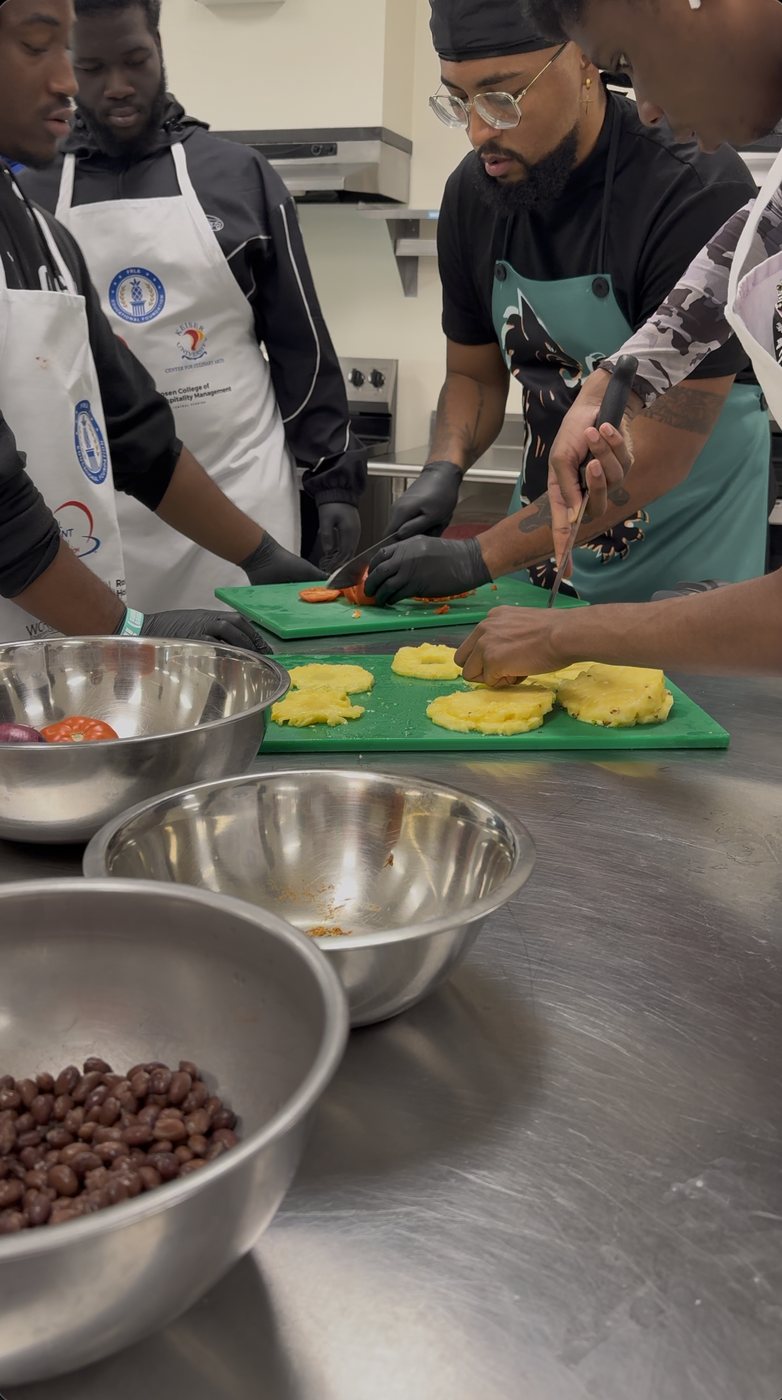
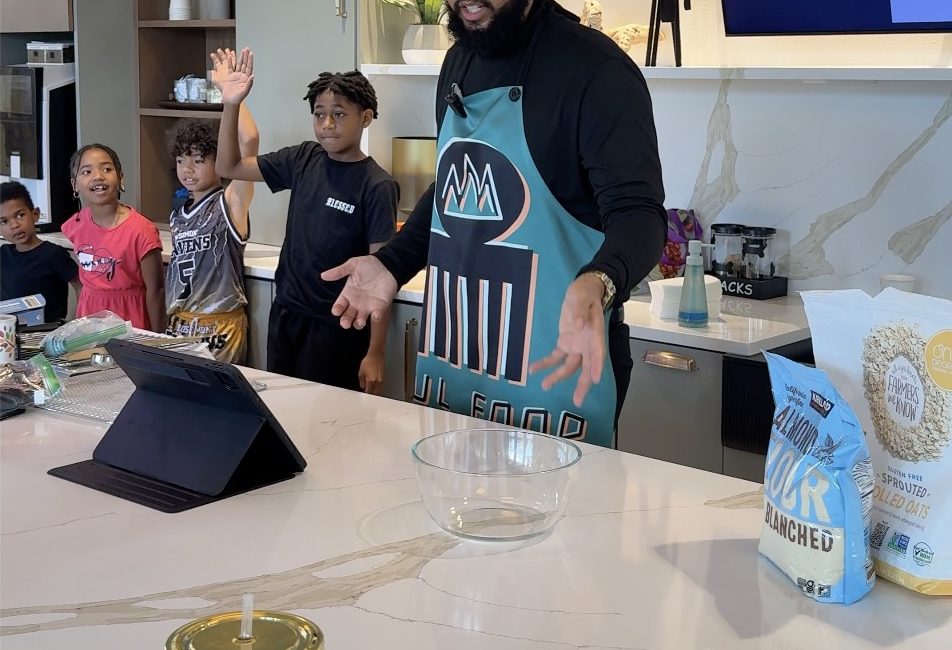
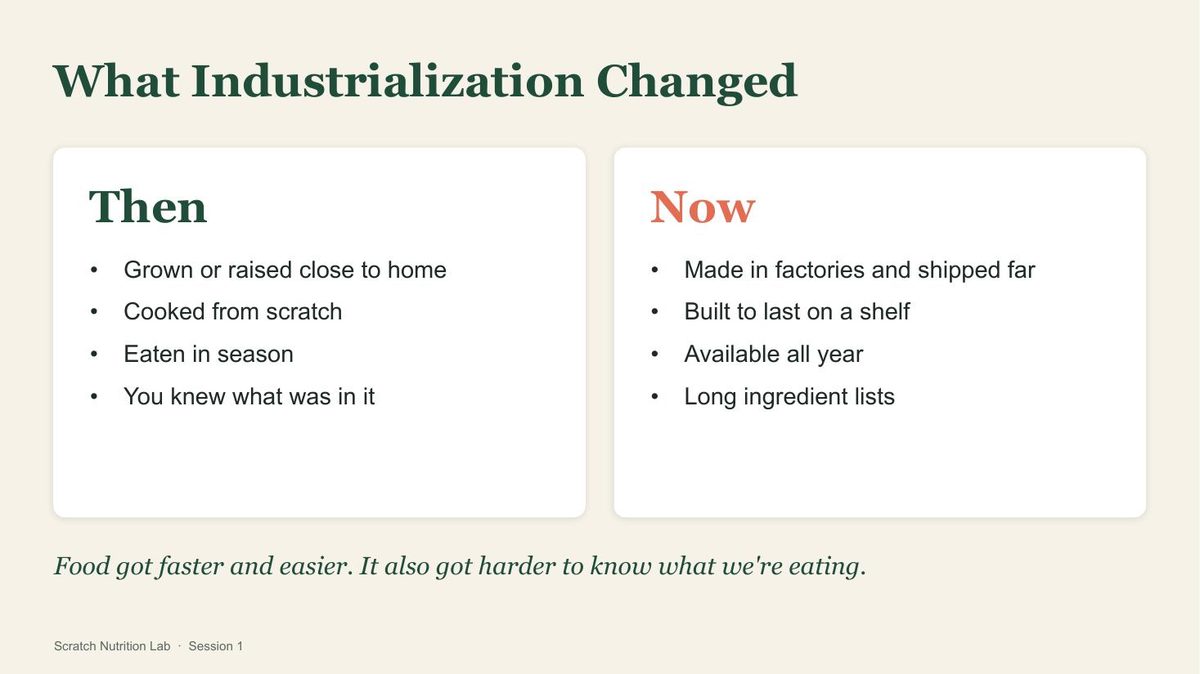
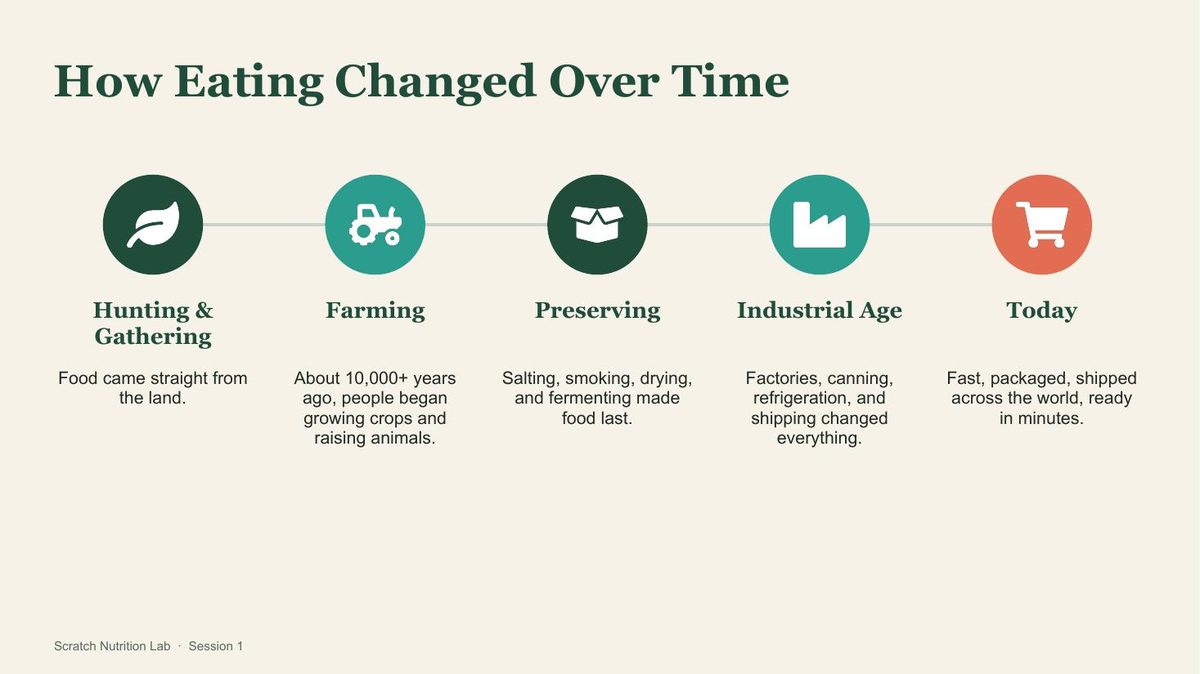
We believe the answer lies in teaching buried skills — the culinary arts, nutritional science, and food literacy that were once passed down through generations but have been systematically removed from education. Our labs create career pathways grounded in scientific foundations, transforming kitchens into classrooms where students discover the chemistry of cooking, the biology of nutrition, and the art of feeding a community.
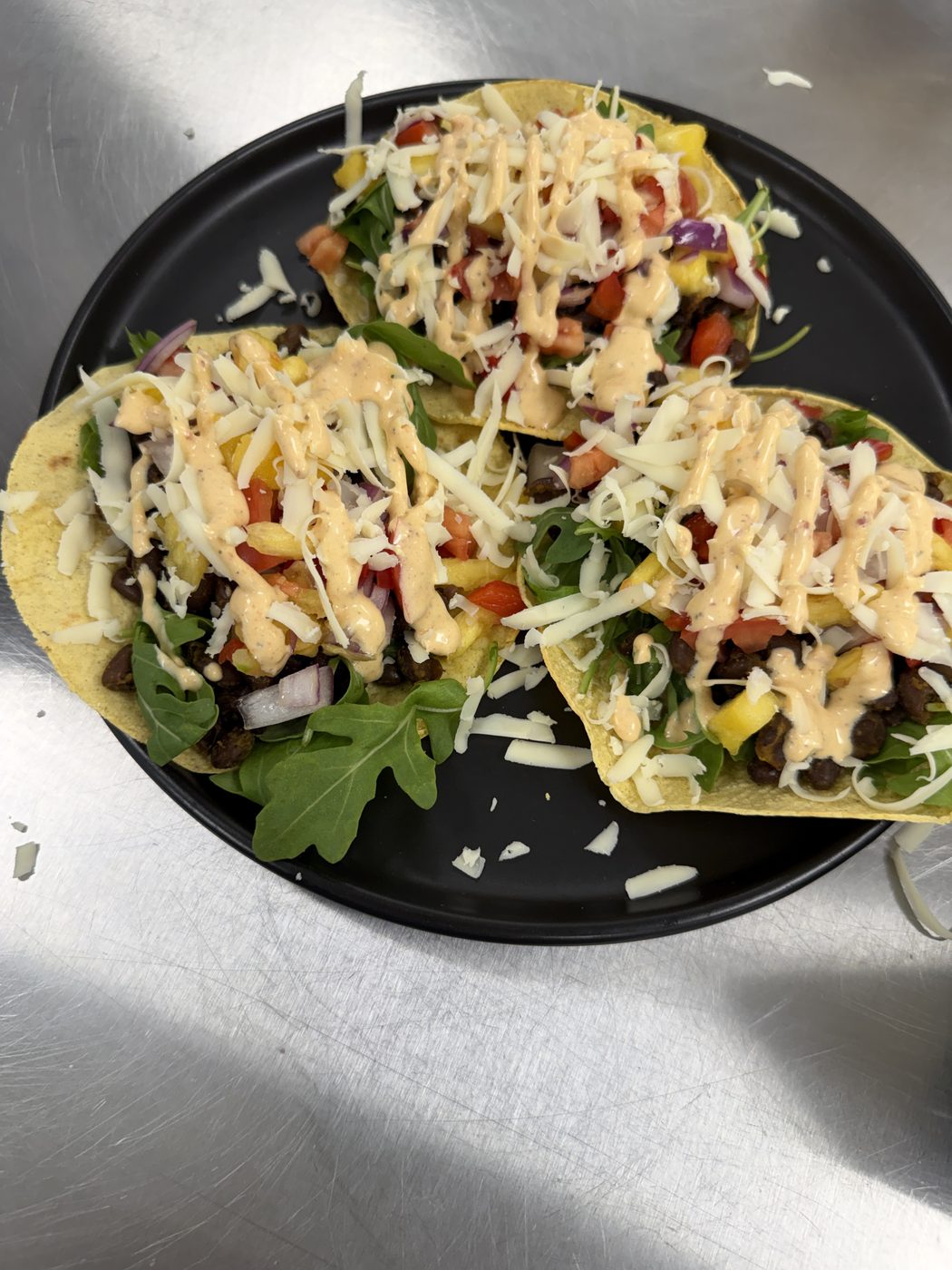
Hands-on craft, anchored in an established culinary arts program — students cook real food from day one.
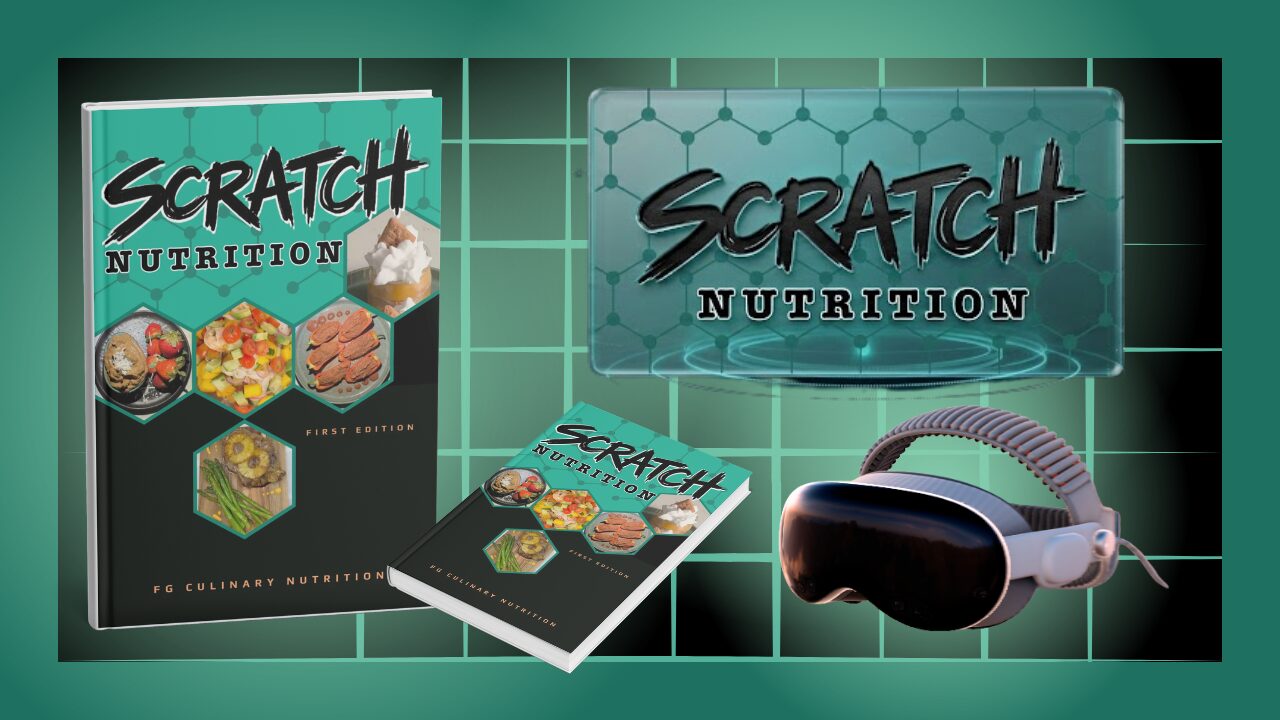
Thirty hands-on recipes rooted in Afro-Caribbean and Afro-Hispanic food traditions, each a doorway into peer-reviewed nutrition science.
Every recipe is chosen to connect students to heritage and community. Afro-Caribbean and Afro-Hispanic culinary traditions aren't decoration on the curriculum — they're its foundation. When students see their own cultures represented as worthy of scientific study and culinary craft, nutrition education becomes an act of pride and belonging — which is exactly what makes the learning stick.
Founder Isaac Floyd's own graduate research (M.S., Nutrition Sciences, Kent State) found that cultural pride is linked to healthier self-reported eating habits — the evidence base behind why FG Kids teaches nutrition through heritage rather than generic diet advice.
Students understand food labels, macros, and how diet impacts health.
Graduates can prepare 30+ nutritious meals independently.
Clear pathways into food science, nutrition, hospitality, and healthcare.
Families adopt healthier eating patterns through student-led initiatives.
Measurable reduction in diet-related health markers among participants.
It starts with food — but it never stays there.
What kids eat, and what they believe about their ability to feed themselves well, shapes their confidence, their mood, their identity, their focus, and their futures. Every program we run opens the same ten doors. Four domains, ten pillars — tap one to jump to it.
The internal shifts food education unlocks.
Food is where students prove “I can do hard things” and “I can take care of myself.” Belief in one’s own ability to act on what they know is the single strongest predictor of lasting dietary change — and that confidence transfers to everything else, mental health included.
Your heritage is not a barrier to health; it’s the doorway to it. By teaching nutrition through the heritage foodways of the African diaspora — African American, Afro-Caribbean, and Afro-Hispanic — students come to see their culture as an asset, not a deficit, and build healthy community around it.
Shopping, cooking, and moving with intention — the practical, everyday competencies that turn nutrition knowledge into real independence.
The doors that open once a student can feed themselves well.
(Includes student jobs)
Food opens genuine doors — into health, tech, AI, spatial computing, community building, and social entrepreneurship — through shadowing, teaching assistance, and real student roles (leadership and administrative).
Students lead workshops for middle- and elementary-school kids, speak, and run their own sessions — practicing the confidence the program builds.
The FG Kids differentiators — the tools and methods that make it stick.
Spatial computing — led by Apple Vision Pro — makes nutrition science visible, memorable, and accessible on the devices students already own.
Students investigate real questions across community nutrition, biology, food studies, food history, and mental health — becoming producers of knowledge, not just consumers of it.
Students create educational content — recipes, topics, and stories — spreading healthy behavior in their own voice and through their own reach.
The relationships and moments that carry the work beyond the classroom.
(Includes field trips)
Student-led events (curricular and extracurricular) plus heritage and cultural-immersion trips connect the classroom to the community and to the wider world.
Everything happens in relationship — in schools, with families, and through engaged community partners — because health is built together, not alone.
None of this happens alone. Every pillar runs through relationship — with schools, with families, with the community partners who show up again and again. That’s not incidental to the model. It’s what holds all ten pillars together, and it’s why the impact outlasts any single lab, cohort, or semester.
We're building a movement to transform culinary nutrition education across Central Florida. Whether you're a school, corporation, foundation, or community organization, there are meaningful ways to collaborate.
Explore Partnership OpportunitiesWe'll send occasional updates as the labs open and the first students come through. That's it — no spam, unsubscribe anytime.