

FG Kids pairs an evidence-based nutrition curriculum with spatial computing — technology that blends digital information with the physical world. Here's the vision, and how it actually works, explained clearly.
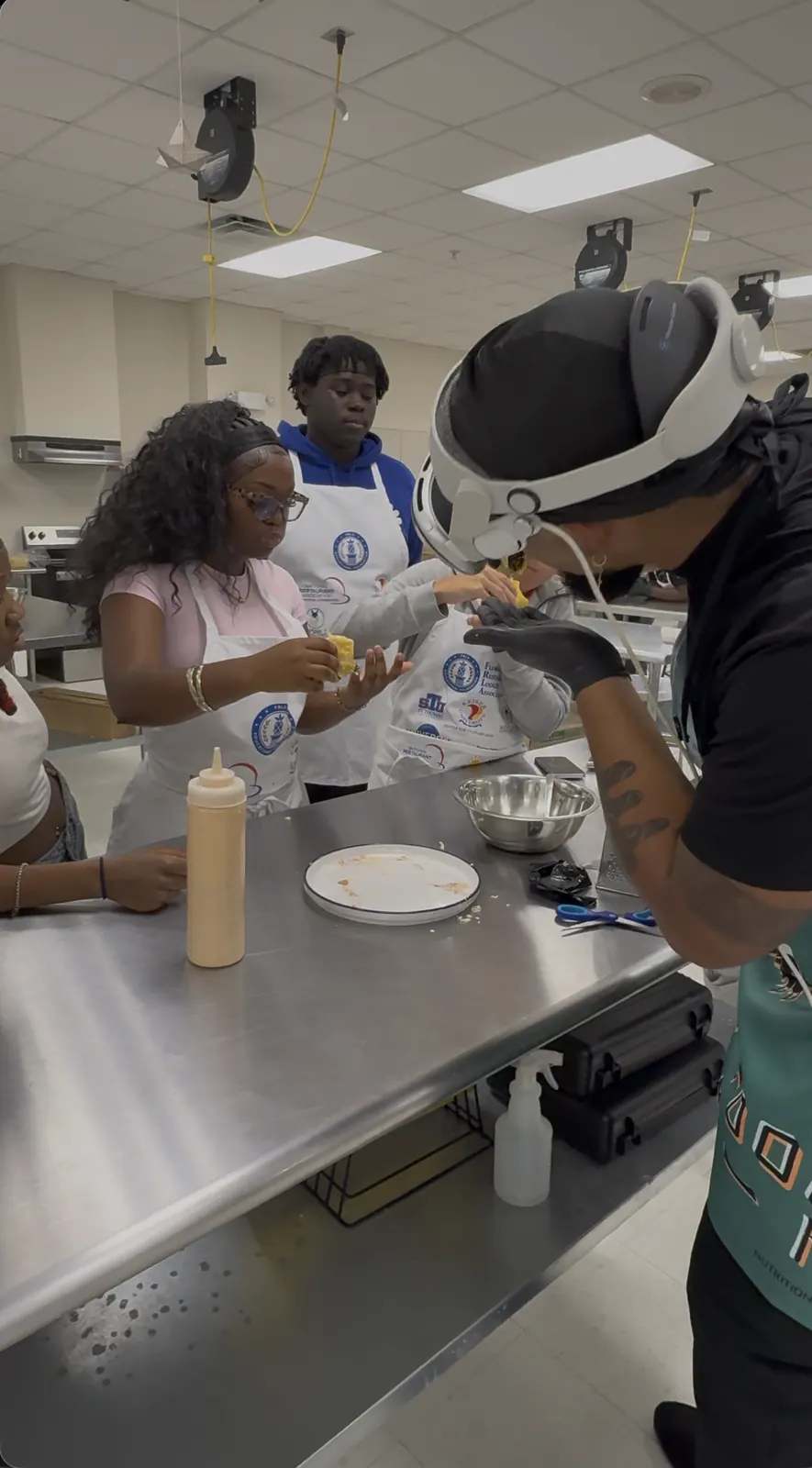
FG Kids works where nutrition science, culinary arts, and spatial-computing research meet — not for the technology's sake, but because pairing them gives students a genuinely modern, hands-on education. Every tool we explore has to earn its place in a real kitchen, with real kids, and make them better at feeding themselves well.
Traditional culinary education splits into a shared lecture and independent practice. We modernized both halves — without losing what makes a kitchen a kitchen.
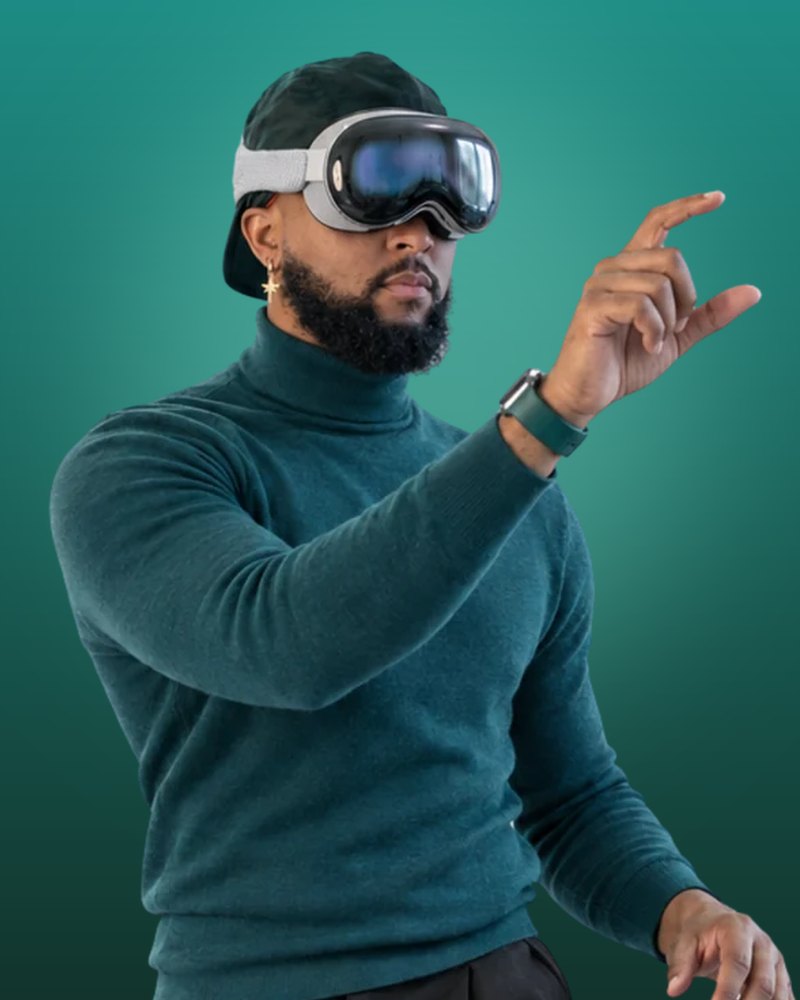
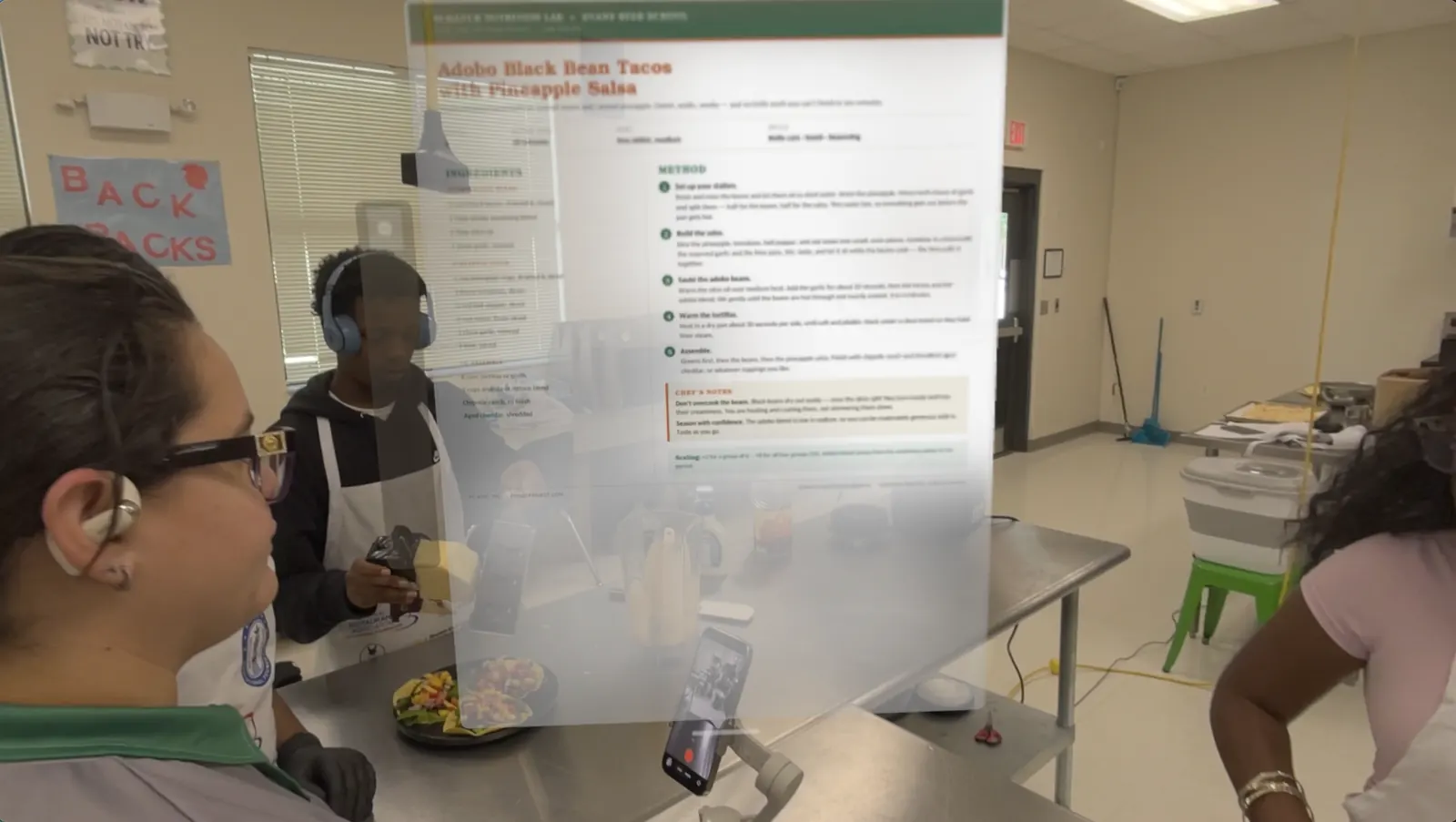
The shared side of a lesson, modernized. Instead of one whiteboard and a demo table, the key references sit right where students work — the recipe pinned by the wall, a labeled model at the prep station, safety reminders that stay put around the equipment. It keeps a whole class on the same page and makes a group lesson easier to follow and repeat.
The autonomous station. A QR code next to each recipe pulls up ingredients, instructions, allergen warnings, and a short video — live today, on any phone or tablet, no headset required.
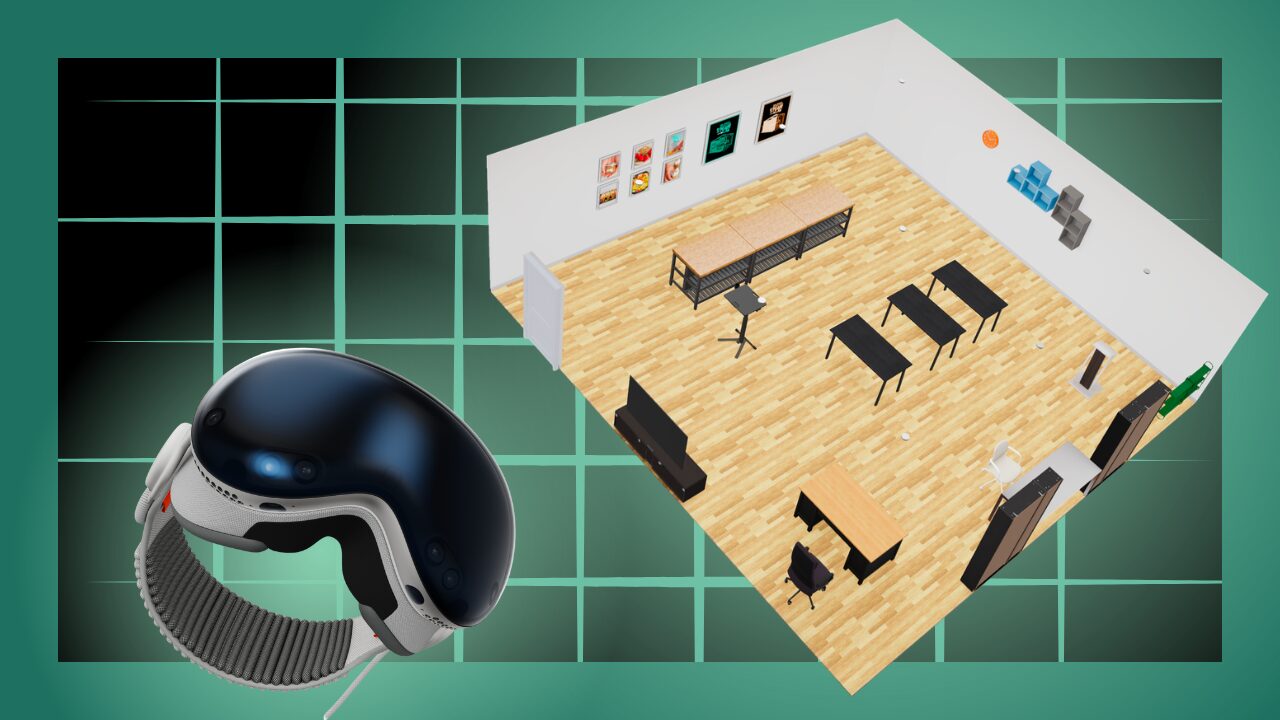
The lab keeps teaching after class is over. Its digital twin — a navigable 3D replica of the kitchen — is being built collaboratively, with inSpaze developing the spatial application that makes the space explorable on an iPhone, iPad, or desktop, and ready for Apple Vision. Students can revisit a technique, walk the space, and prepare before they ever pick up a knife. Paired with short spatial cooking-tutorial videos that mirror each lesson, it lets students keep learning on their own time, on the devices they already use.
Short, plain-English write-ups of each piece — the two teaching layers above, plus the accessories we're watching. Written for parents, partners, and educators.
The evidence — where spatial computing has been deployed, and what the research shows.
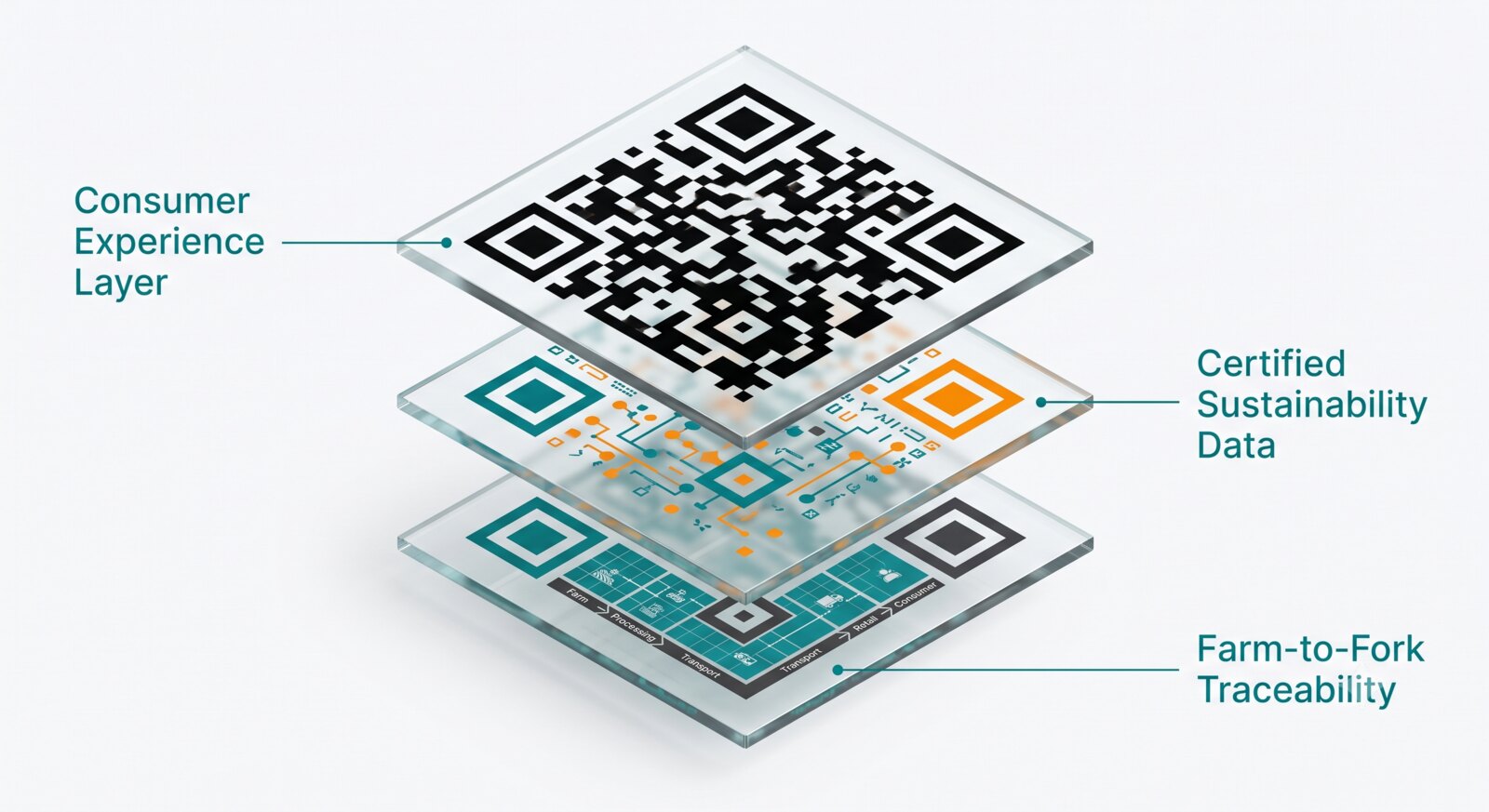
The layer that's live today — works on any phone, no headset needed.
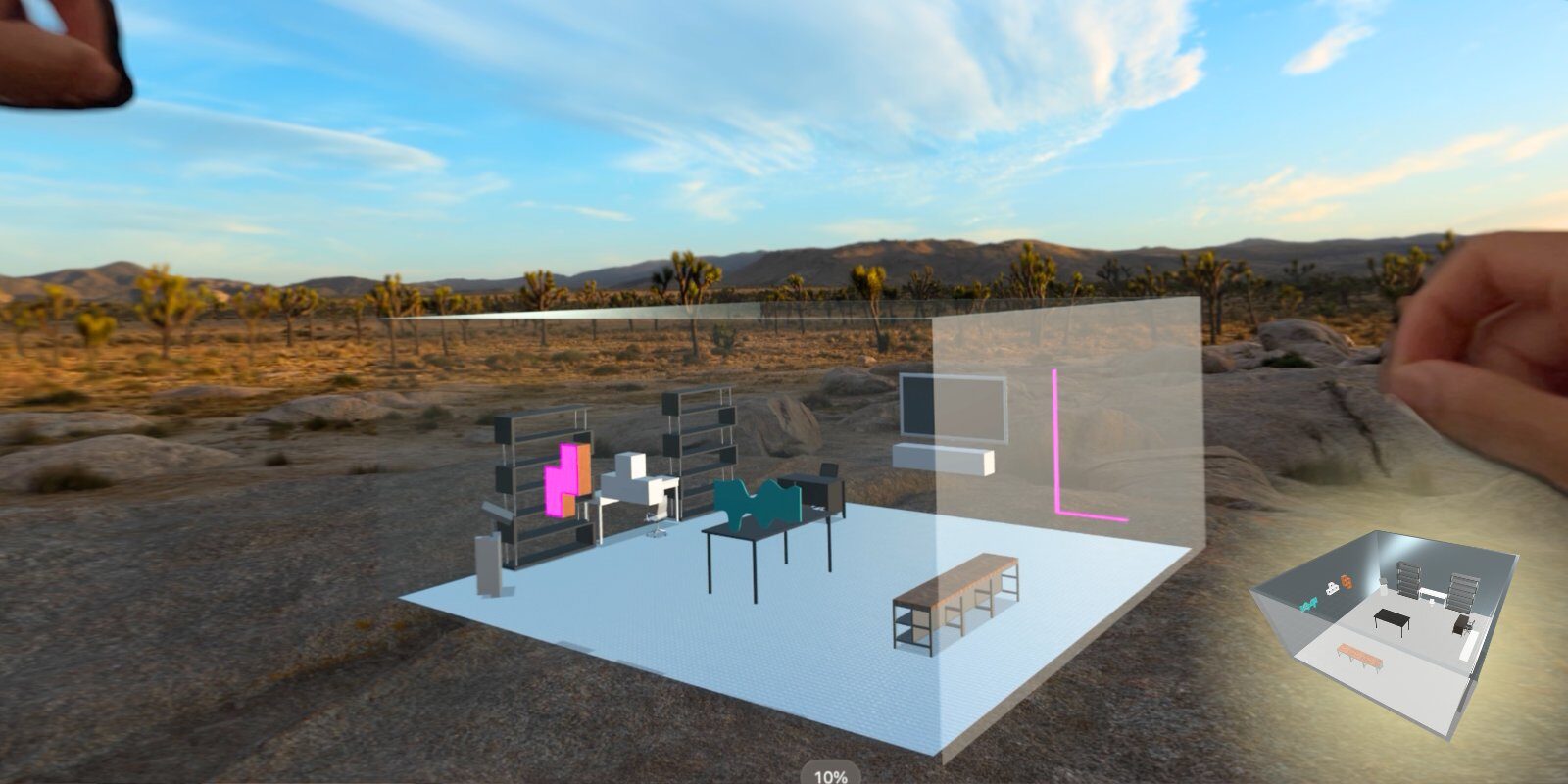
How a headset "remembers" where things belong in a room — explained simply.
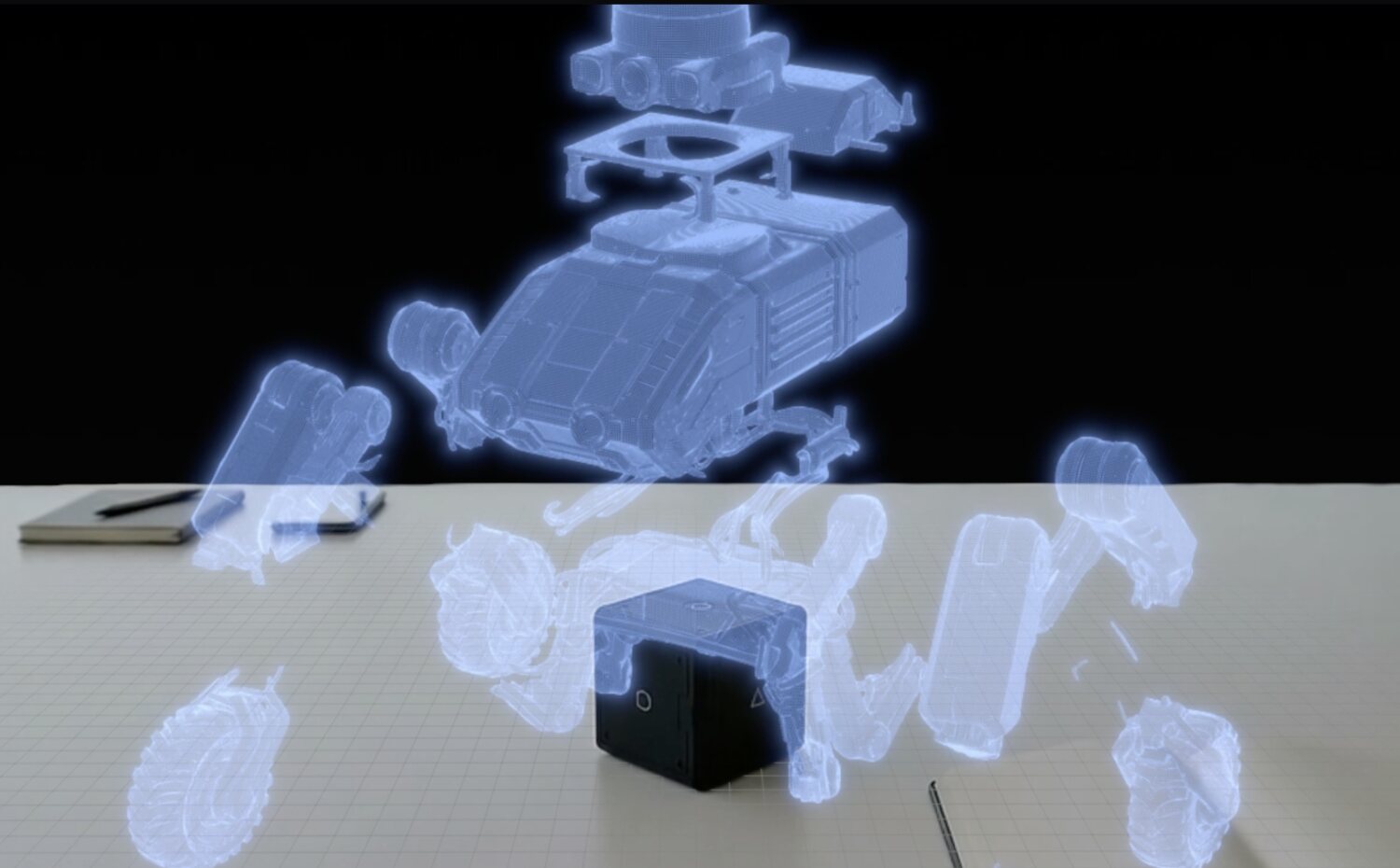
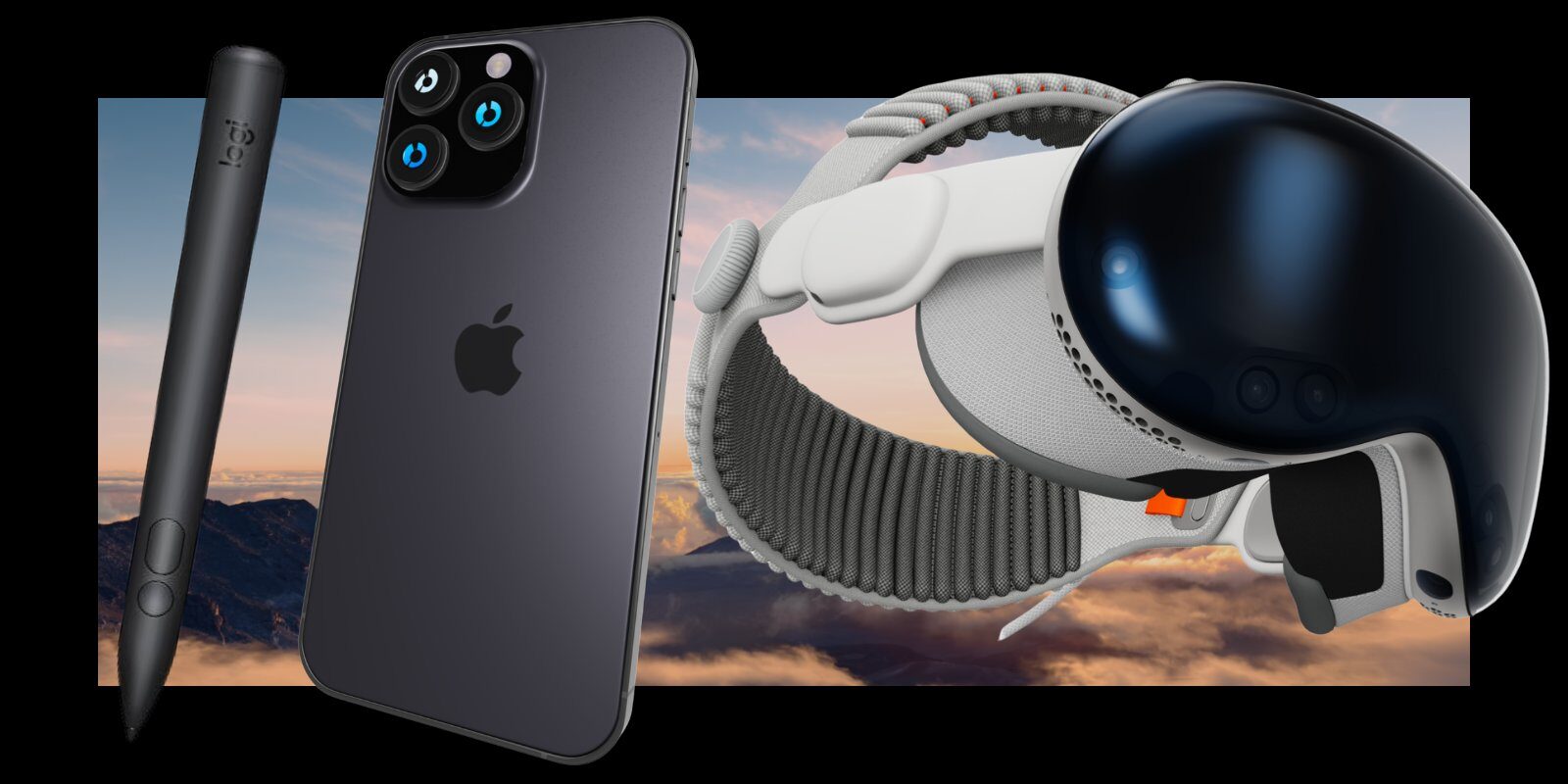
Emerging tools — trackers, cubes, and a spatial stylus — we're watching for future labs.
The spatial layer of our program is a collaboration. These are the people making it real.
inSpaze builds the spatial application layer for our culinary lab — the work that turns a 3D model into a space students can actually navigate, explore, and learn inside on Apple Vision Pro. The lab model was produced in partnership with their team.
Spatial Apex shapes how spatial computing fits our curriculum — which tools belong in a teaching kitchen, how they support a lesson rather than distract from it, and how the whole thing stays replicable for the next school.
We’re building 10 labs across Central Florida by 2030, starting with the communities where the need is greatest.