A new partnership is taking shape in Central Florida — one that pairs an already-thriving culinary program with nutrition science and spatial computing, and roots all of it in the food traditions students already know and love.
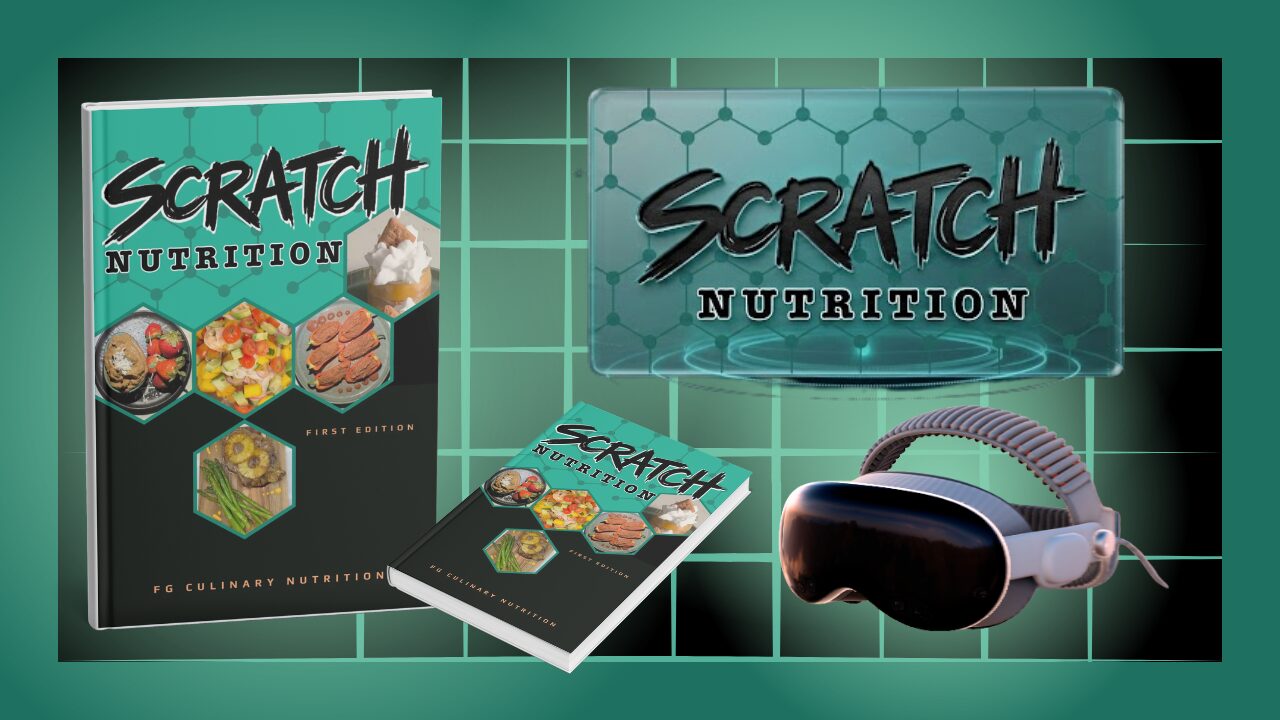
FG Kids Inc. is partnering with Evans High School to launch the Scratch Nutrition Lab — a program that treats cooking not as a vocational endpoint, but as a doorway into health, science, and self-confidence. It's built alongside Evans' established Culinary Arts team, the school's Community Partnership School, and our spatial-computing partner, Spatial Apex.
The idea is simple to say and hard to do well: teach kids the science of what they eat through the food of their own heritage, and make it so engaging they actually carry it home. The program begins with the freshman cohort and grows with each class that follows.
Evans already runs a robust, well-established Culinary Arts program within its CTE pathway, led by an experienced Culinary Arts team — a stronger foundation than most high schools can offer. That existing excellence is exactly why Evans is the right partner. This isn't about building where nothing exists. It's about investing in a program that's already first-rate and adding two layers on top: peer-reviewed nutrition science, and a spatial-computing experience unlike anything else in secondary education.
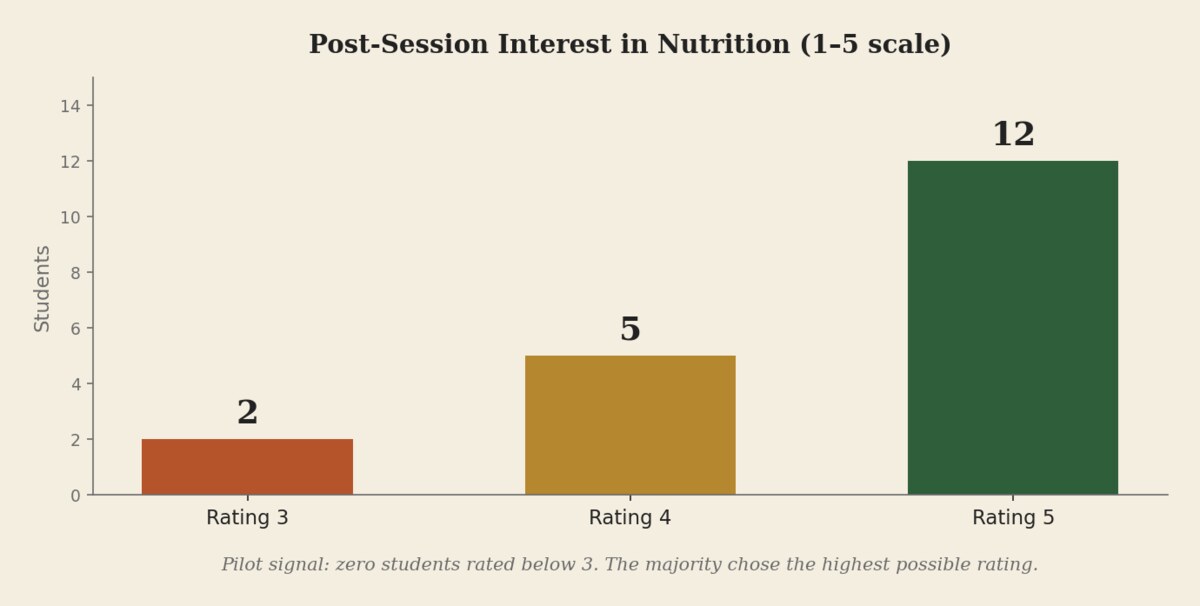
Across two pilot sessions in Spring 2026, the Culinary Nutrition STEAM Lab showed that when nutrition science is delivered through spatial computing, students engage deeply and quickly — regardless of whether they'd ever touched the technology before.
Three things stood out. Cultural fit is real: students from Afro-Caribbean and Afro-Hispanic backgrounds connected their identity directly to their wellness. The technology is accessible, not exclusive: even first-time users engaged fully. And the demand is documented: students asked for more. Just as importantly, the pilot reached precisely the population most affected by diet-related chronic disease — which makes this a measurable equity intervention, not just an enrichment program.
Nutrition is the heart. Culinary skill is how it's taught. Spatial computing is what makes it memorable.
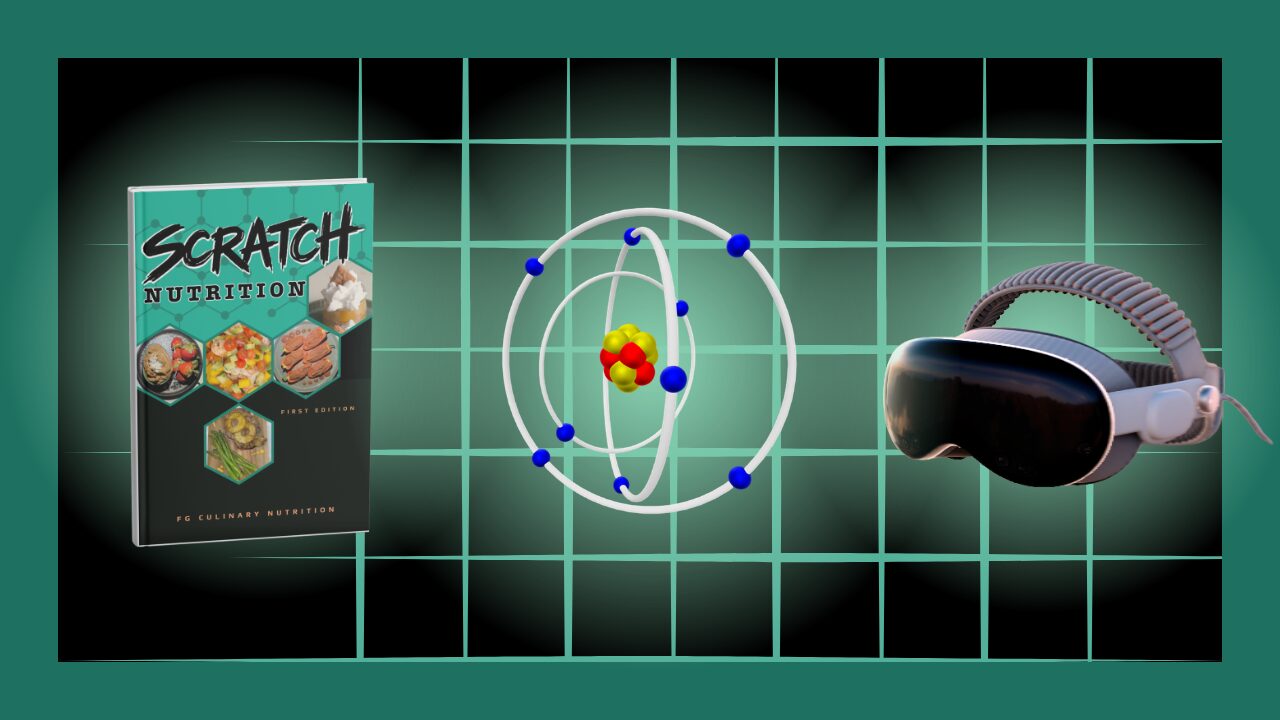
Afro-Caribbean and Afro-Hispanic culinary traditions aren't decoration on this curriculum — they are its foundation. When students see their own cultures represented as worthy of scientific study and culinary craft, nutrition education becomes an act of pride and belonging. That's what makes the learning last.
The approach is grounded in research. FG Kids founder Isaac Floyd's graduate work (M.S., Nutrition Sciences) found that cultural pride is linked to healthier self-reported eating — the evidence behind why we teach nutrition through heritage rather than generic diet advice.
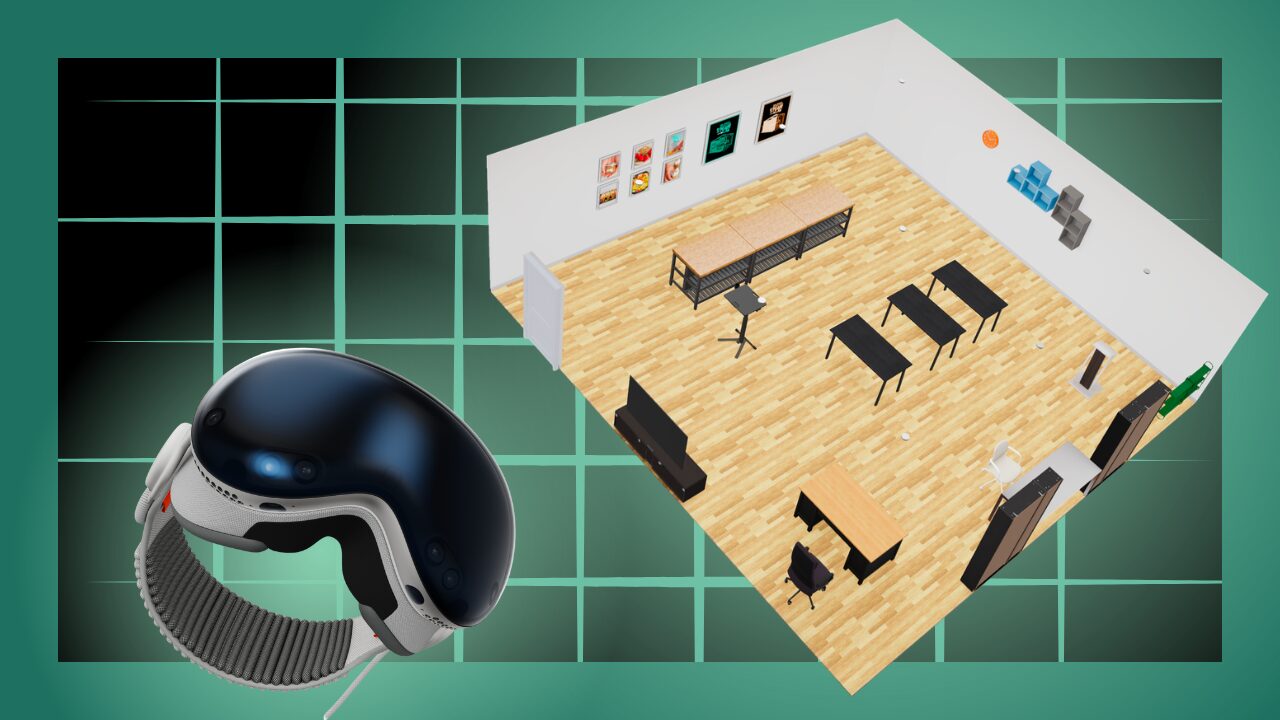
The lab is getting a navigable three-dimensional replica of the kitchen — a digital twin students can explore on iPhone, iPad, or desktop, and step into on Apple Vision Pro. It is being produced collaboratively, with inSpaze building the spatial application layer that turns the model into a space students can actually move through. Learning is no longer bound to the physical room or the class period: students can revisit techniques and prepare before they ever pick up a knife. Alongside the lab, a growing library of short Spatial Cooking Tutorial Videos mirrors each lesson, so students can learn on their own time, on the devices they already use.
Impact that can be measured is impact that can be improved. Every student's growth is measured against their own baseline at three points — entry, mid-program, and end of year — using the Nutrition Self-Efficacy framework, a person's belief in their own ability to act on what they know. It's one of the strongest predictors of lasting healthy behavior, and it's precisely what traditional nutrition education so often fails to build. The design is intentionally simple and ethical: no withholding the program from any student, careful and transparent measurement, and student data handled with the school's protocols and full care.
Right now, FG Kids self-funds the core of this program. As a founder-led nonprofit, we cover the curriculum, the materials, and the instruction so this work can start now, not "someday." That's our commitment: these kids get this program regardless.
What community support changes is reach — how many labs we can build, how many students we can serve, and how much we can extend learning beyond the classroom with after-school sessions and field trips. We're actively pursuing grants and partnerships to grow it, and every gift along the way helps us reach the next classroom sooner and proves the demand that unlocks the bigger funding. If this is a future you want to see, you can be part of building it.