Theory only gets you so far. At some point the question stops being could this work and becomes what happened when someone tried it. Here's what the evidence actually says — the good, and the parts that don't hold up.
Watch first, or read the short version below. About 9 minutes.
Healthcare adopted spatial training earliest, for an unglamorous reason: you can't practice surgery on people, and the alternatives — cadaver labs, mannequins — are expensive and limited.
The clearest evidence is old and still holds. In a randomized, double-blinded trial at Yale, surgical residents trained on a VR simulator before performing real gallbladder surgeries on actual patients.
Seymour et al., Annals of Surgery, 2002. VR-trained residents also dissected 29% faster.
A more recent UCLA trial gets quoted a lot — students who trained in VR completed 63% of procedure steps correctly versus 25% for students given a written guide. Worth knowing: that study used 20 medical students on a synthetic bone model, not residents on patients. Still a real result. Just a smaller one than headlines suggest.
Enterprise adoption moved fastest because the return was easy to measure. Two deployments are unusually well documented.
Boeing technicians assembling aircraft wire bundles with AR instructions instead of 2D documentation. Task time also fell about 30%.
VR training deployed across all ~4,700 U.S. stores in 2018, covering holiday floor rush, new store tech, and emergency scenarios.
The pattern repeats across aviation, manufacturing, logistics, retail: replace passive instruction with spatial practice and you tend to see faster skill acquisition and more confidence the first time it counts. The effect is largest for newer workers — which is the entire population we teach.
Walmart reports a 10–15% improvement in training test scores. That number comes from Walmart, not from independent research — we cite it as a company figure, because that's what it is.
Across 48 experimental studies, researchers measured how much immersive VR improved learning over conventional teaching. The effect was roughly twice as strong for K–12 students as for college students.
Effect size (Hedges' g). Coban, Bolat & Goksu, Educational Research Review, 2022. A separate 2026 meta-analysis of 40 K–12 science studies found a comparable effect.
Younger learners gain more. That isn't a marketing claim — it's the finding, and it's the reason a program like ours belongs in a high school kitchen rather than a corporate training room.
The research is just as clear about when spatial computing doesn't work — and we'd rather say so than oversell it.
One well-known study found that adding immersion to a science lab simulation produced more sense of presence and less actual learning. Spatial computing amplifies good teaching design. It does not substitute for it.
We didn't start with a headset and look for a use. We started with a teaching kitchen, a class period that ends, and students who forget a technique by the following week.
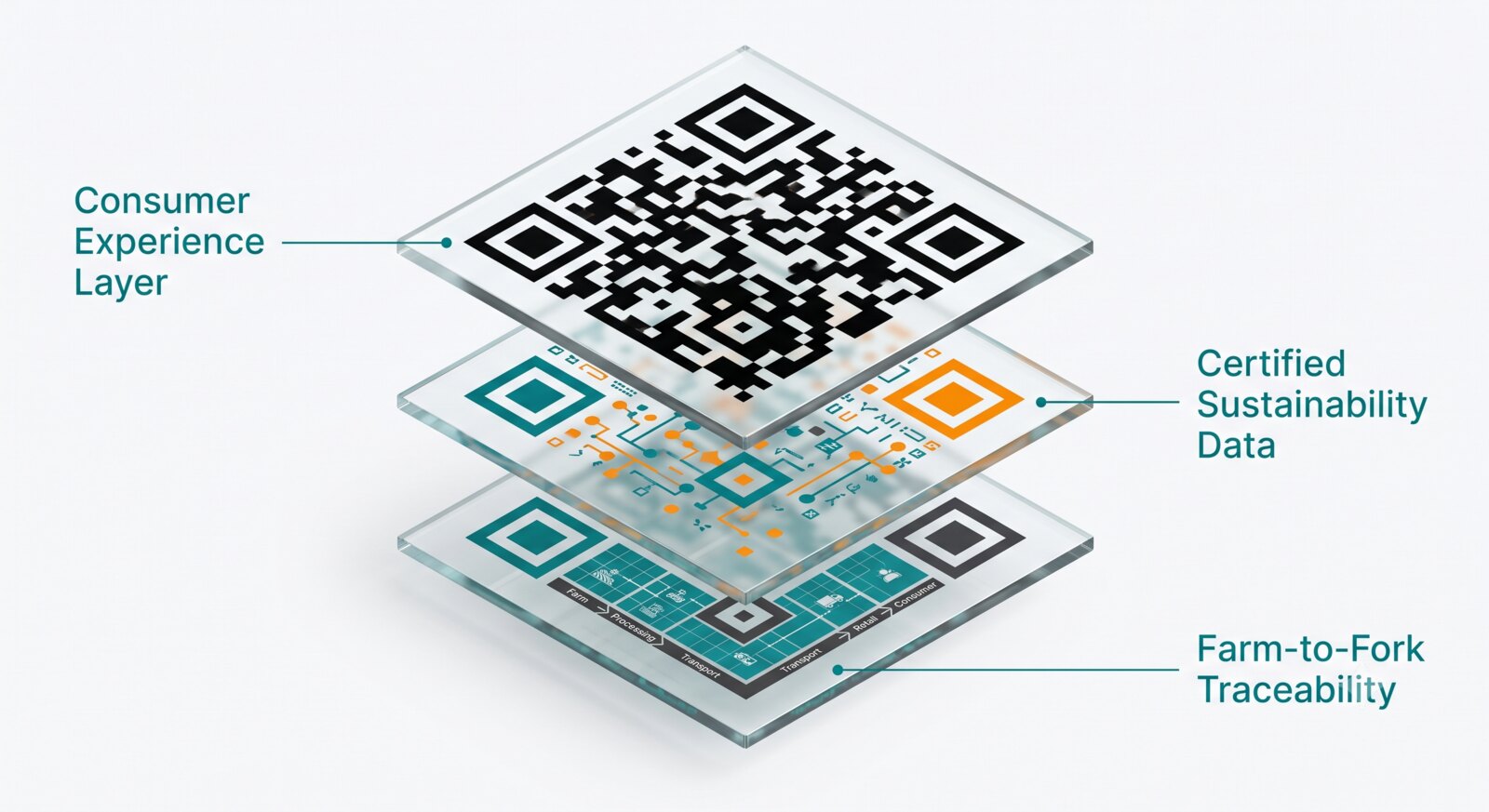
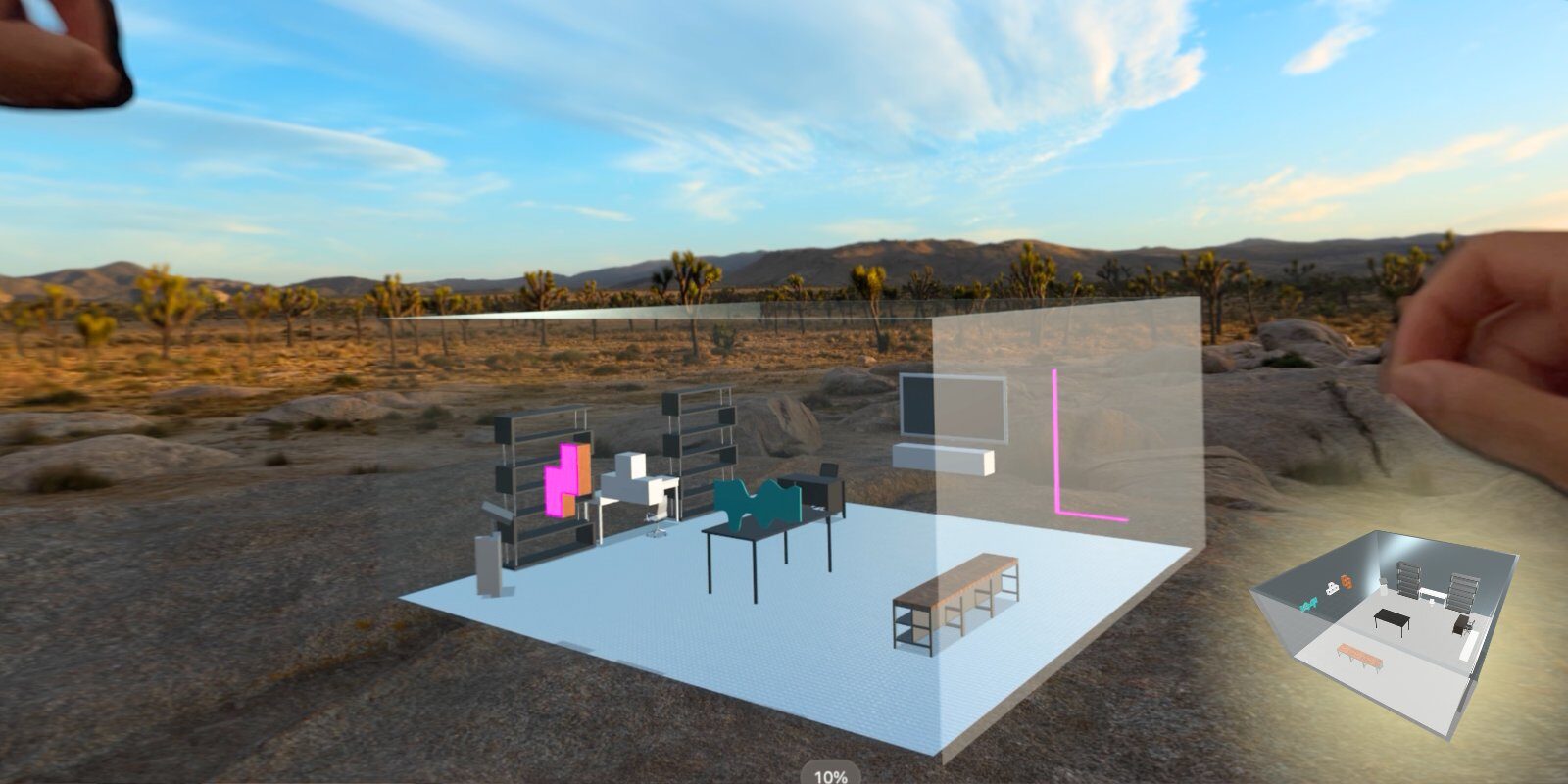
So the spatial layer of our program is built to solve those specific problems: spatial anchors that keep a whole class on the same reference, a digital link at every station that works on a phone with no headset at all, and a navigable digital twin of the lab so learning doesn't stop when the bell rings.
You can see the whole program at the Scratch Nutrition Lab, which we're launching with Evans High School.